
A Guide to Tournament Blinds

Blind structures are the engine of every poker tournament. They control the pace, squeeze the short stacks, and determine when patience becomes a liability. Understanding how they work — and how to adjust at each stage — is the foundation of solid tournament play.
How Blinds Work
In poker, ‘blinds’ are mandatory bets that some players make before any cards are dealt.
These forced bets create a starting pot and ensure action from the first betting round. This is one of the fundamental poker rules that drives tournament action.
Two types of blinds exist: the small blind (SB) and the big blind (BB). The BB is usually twice the SB’s size, though some formats use different ratios.
Poker tournaments move fast. Blinds increase periodically to inject pace and drama into the game.
Each betting round becomes more critical as those blinds climb. Players who don’t adjust their betting strategy will lose chips quickly.

Understanding Poker Tournament Blind Structures
Blind structures in poker tournaments dictate how frequently and by how much the blinds increase during each round.
The structure applies whether you’re playing Texas Hold’em, Omaha, or other poker games at the table.
Standard Structure
A standard blind structure starts with small blinds and gradually increases over a reasonable timeframe.
For example, a typical standard structure might start at 25/50, then move to 50/100, then 100/200, giving players ample time between levels.
This structure is common in many live poker rooms and online poker platforms.
You can wait for premium hands and bet with confidence without losing ground to the blinds. Smart bankroll management for poker tournaments typically means having 30-50 buy-ins for standard formats, allowing you to weather variance across multiple entries.
This cushion lets you make optimal bets without fear and increases your odds to win money consistently.
👉 Use Referral Code: WINBIG 👈DOWNLOAD NOW!
Turbo Structure
The turbo structure moves faster than standard formats.
Blinds escalate quickly, forcing more aggressive poker play and tighter bankroll management. For example, blind levels might increase every 5 minutes instead of 15 minutes.
Players in turbo poker games need to bet and wager more liberally. You can’t wait for pocket aces. You need to bet aggressively to accumulate chips before the blinds eat you alive.
Turbo formats require larger bankrolls (50-75 buy-ins) to account for increased variance.
More hands per round, more bets placed, more opportunities to win or lose big.
Hyper Turbo Structure
The hyper turbo structure is the fastest format in poker tournaments.
Blinds increase at lightning speed, sometimes every 3 minutes, providing high-intensity poker action popular in online poker. If you’re looking for even faster action, formats like All-in or Fold take this concept to the extreme.
Players need to be more willing to commit their stack when they have an edge, as waiting for premium hands often means blinding out. Overthinking becomes a problem in these fast poker games.
The Double-edged Sword of Blind Structures
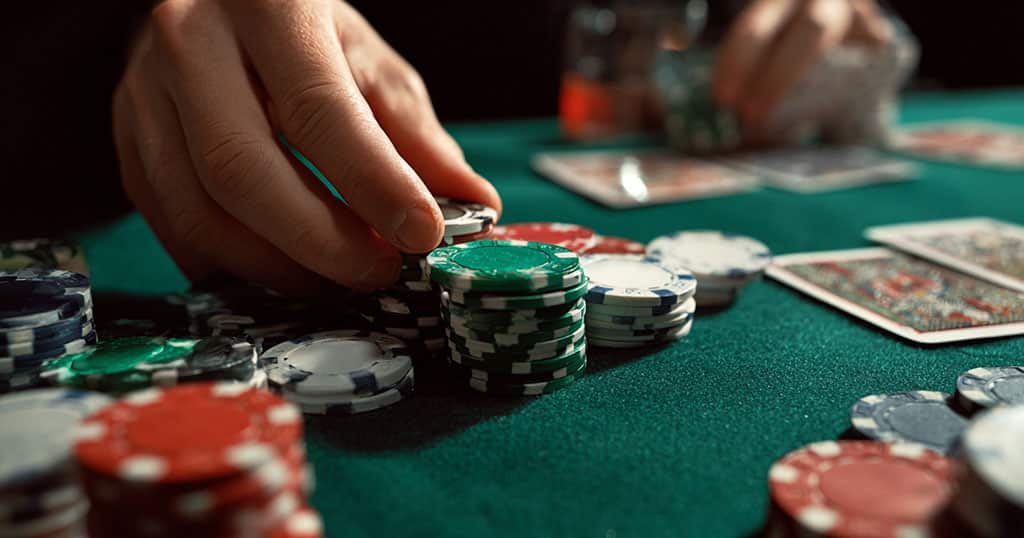
Escalating blinds pressure poker players with smaller chip stacks, but they also create opportunities for those brave enough to take them.
A well-timed aggressive bet can double your stack and dramatically improve your odds to win the tournament.
Understanding the odds of your poker hand relative to pot size becomes critical. Good poker players know when to bet big and when to fold, reading opponents and adjusting wagers.
Playing poker too cautiously means losing your stack to the blinds without even reaching showdowns. The poker rules are simple, but knowing when to bet takes experience.
Bankroll Management and Blind Structures
Your bankroll management strategy must match the blind structure you’re playing.
Your bankroll keeps you in the game. Manage it poorly and you’ll lose everything regardless of skill. This applies whether you play poker online or in live games. For more guidance on managing your funds, check out GGPoker’s resources on real money poker.
Different blind structures in poker demand different bankroll approaches.
Standard structures allow 30-50 buy-ins. Turbo and hyper-turbo poker formats need 50-75 buy-ins due to higher variance.
Your bankroll dictates which poker tournaments you should enter. If the blinds will consume your stack too quickly, find a poker game with a slower structure or lower stakes.
Professional poker players take bankroll management as seriously as knowing when to bet or fold.
It’s the foundation for making optimal betting decisions without fear. Poor bankroll management ends tournament runs faster than bad luck, even for skilled players.
Protect your bankroll, bet within your means, and you’ll survive the variance that crushes underfunded bettors.
Adjusting Your Strategy: The Art of Playing the Blinds
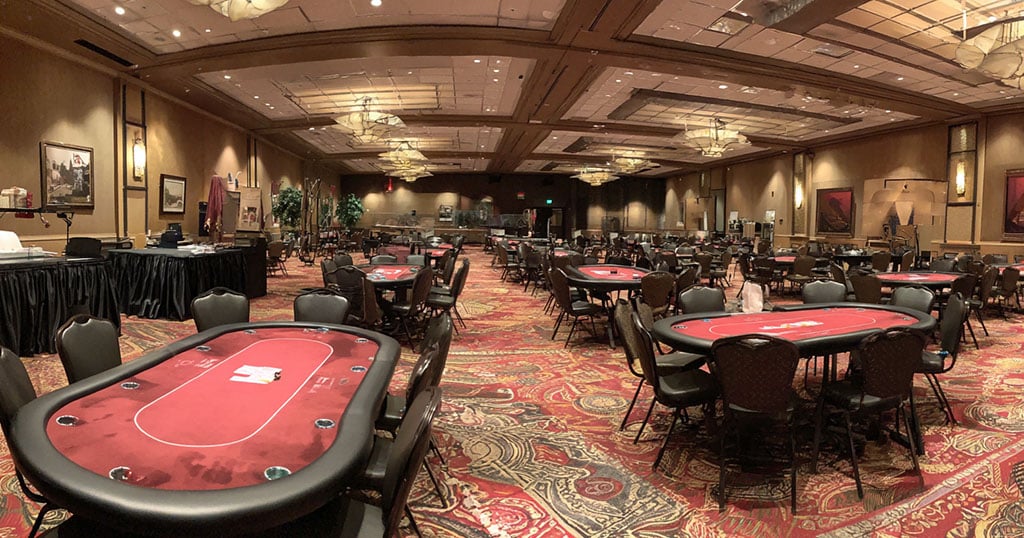
How should poker players adjust their betting strategy to the shifting blind landscape?
Early Stage
In the early stages of poker tournaments, blinds are low compared to your stack.
Keep your poker play tight. Take time to observe opponents at the table.
Who’s bluffing? Who only wagers with premium poker hands? This information becomes valuable in later rounds.
Think about pot odds and whether you’re getting the right price to chase draws. With deep stacks, you can bet on speculative hands like suited connectors.
The betting round action is measured here, giving you time to gather information and play poker intelligently. Many experienced poker players establish a table image that pays off when blinds rise and every bet matters more. If you’re new to tournament play, reviewing basic poker strategy tips can help you make better decisions during this stage.
Build your bankroll early by making smart bets and avoiding situations where you’ll lose chips unnecessarily. The goal is to win chips while risking as little money as possible.
Middle Stage
As blinds rise in poker tournaments, increase your aggression.
Start opening your hand range, stealing blinds, and pressuring opponents. With blinds eating into stacks, you need to accumulate chips through well-timed bets.
Calculated risks in poker pay off here. The middle stage separates timid poker players from aggressive ones.
Players who fold too much find themselves short-stacked. Against tight players at the table, bet more liberally and steal their blinds.
Against loose, aggressive poker players, pick your spots and make big wagers with strong hands.
Timid players lose chips to the blinds without realizing it. Your bankroll needs padding before the late rounds, so bet strategically and build your stack.
Late Stage
The blinds are high, and stakes are even higher in late-stage poker tournament play.
Short-stacked poker players look for opportunities to go all-in. You should challenge them if you have favorable odds.
Every betting round counts. One mistake sends you to the rail. In online poker tournaments, this stage moves fast.
Be decisive, trust your hand rankings knowledge, and commit when you have an edge. Late-stage poker play requires adjusting to remaining players at the table.
With fewer opponents, hand values change dramatically. Hands you’d fold early in the poker tournament become acceptable bets in late position.
Being willing to wager on marginal holdings separates winners from also-rans. Superior bankroll management and betting discipline throughout earlier rounds pays off here. You have the chips to bet aggressively while others scramble to survive and desperately try to win money.

A Word on Antes
In many poker tournaments, an ante is introduced in later stages.
This is a forced bet that every poker player must contribute each hand, encouraging more action and bigger pots in each round.
Antes change the poker math dramatically. More money in the pot before the first betting round means you need to adjust hand ranges and bet more aggressively.
Your bankroll gets tested more when antes kick in. Poker players who don’t adapt their betting strategy find themselves losing their stack slowly, one small wager at a time.
The antes force action. Those who refuse to bet and mix it up will lose their stack to the combined pressure. Understanding how antes affect pot odds and hand ranges helps improve your tournament results. For a deeper dive into calculating odds, visit the poker hands odds guide.
Blind structures aren’t just tournament mechanics — they’re the framework your entire strategy runs on. Match your approach to the structure you’re in, and the rest becomes a lot clearer.
About the Author: Maury Orton is a poker writer and editor contributing to GGPoker. He focuses on clear, reliable explanations of the game, drawing on years of experience in online poker media and digital publishing.